
Articles · Working President, EEFI
Power, coal, oil and gas workers must jointly resist privatisation
Swadesh DevRoye
One energy economy. One World Bank route-map. One resistance of electricity, coal and petroleum workers.
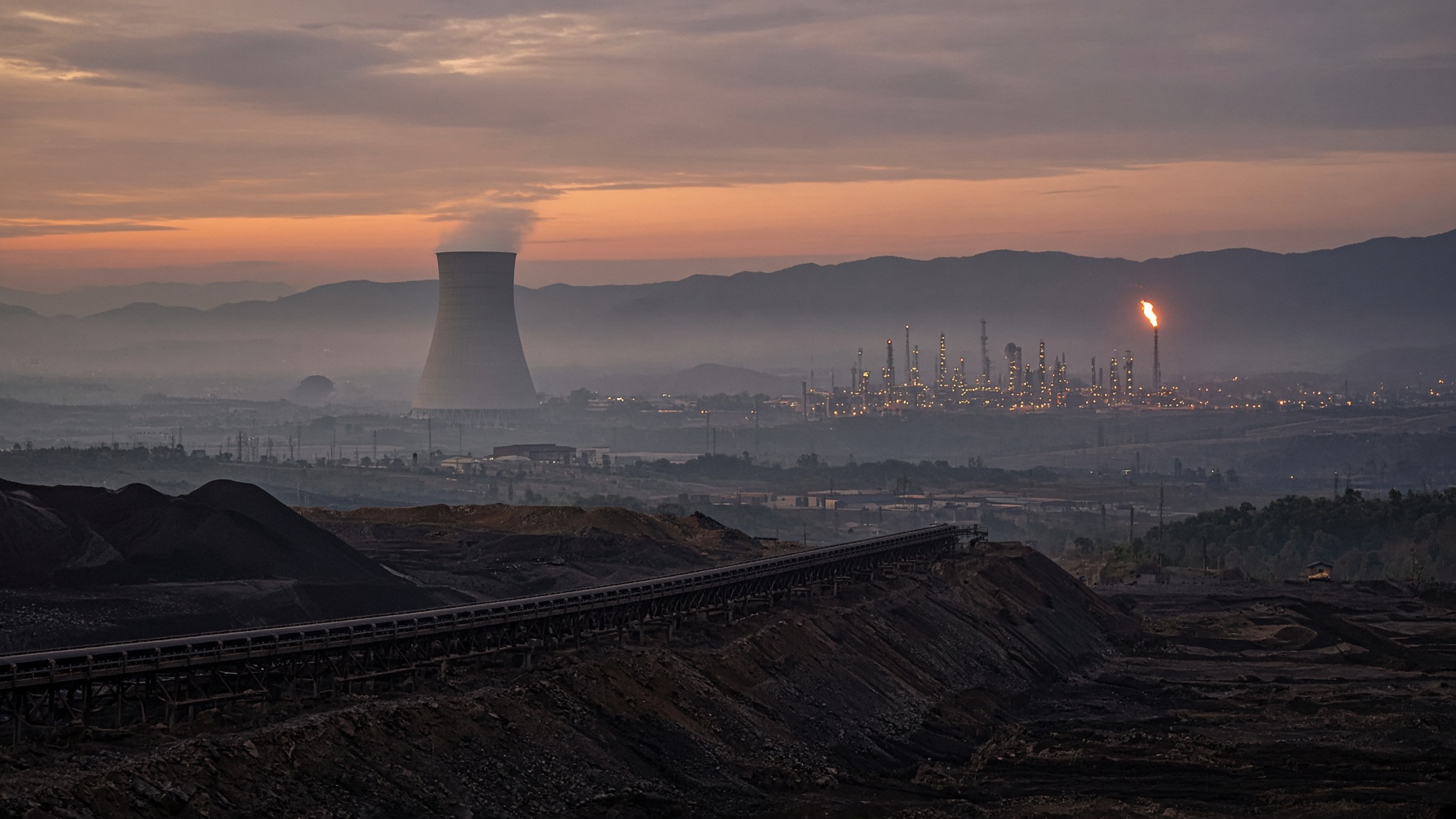
Power, coal and oil & natural gas are under one privatisation. The public enterprises that built those three pillars are the target.
A World Bank letter of 25 November 1999 to the Power Secretary set the map: unbundle the SEBs, sell NTPC plant by plant, take POWERGRID private with a 51 percent sale, invent CERC, invent trading exchanges. RDSS is the last chapter of that letter — automatic tariff and prepaid metering.
Private capacity has overtaken central and state capacity together. NTPC holds nearly 80,000 MW across thermal, hydro and solar, yet faces disinvestment near 51 percent, joint-venture games and contractor labour in core jobs. POWERGRID made One Nation, One Grid, One Frequency — 1,78,975 circuit kilometres, 99.8 percent availability — and is being emptied by InvIT and outsourced substations.
Renewable plant built by NTPC in the deserts is handed to private O&M the day it is commissioned. Coal India still produces the bulk of national coal, yet mines go to “mine-developer-operators,” commercial auction and contract labour; permanent strength has fallen from more than 8.5 lakh in the 1970s toward two lakh. Oil PSUs already hold minority government equity. Refineries run on a handful of permanent workers and a sea of contract hands. NTPC: about 4,000 permanent, 1,22,000 contract. POWERGRID: 1,400 permanent, more than 17,000 contract.
Workshops, conventions, a common reading of the National Energy Policy, and then synchronised action. The slogan is one: preserve public-sector control of the energy economy to protect the energy security of the nation.