
Articles · Vice President and Secretary, EEFI
Transformation and challenges in India’s national energy landscape
S. Harilal and Dr. M. G. Suresh Kumar
Coal, oil, gas, renewables and generation read as one crisis of public control.
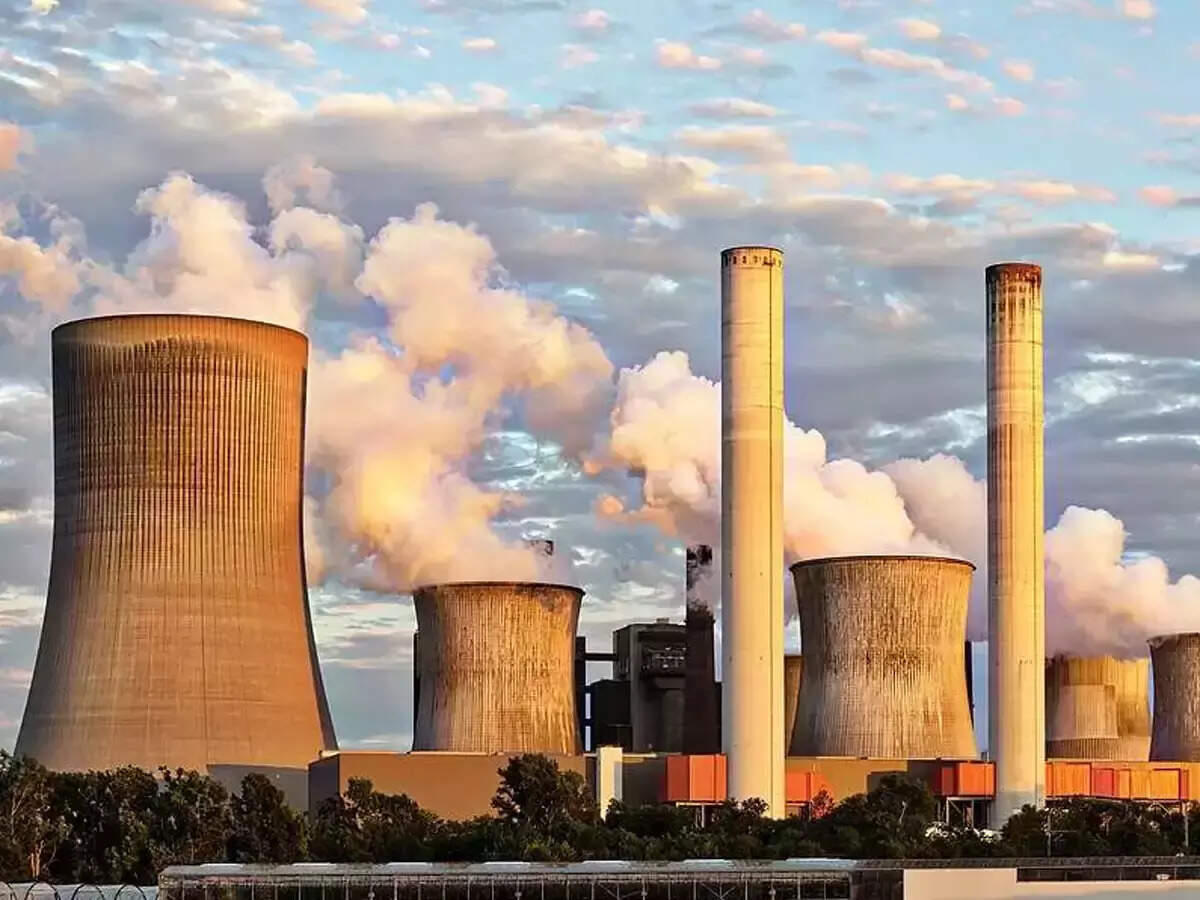
India has the coal, the plant and the grid. What it lacks under the present regime is public coordination of pit, freight and station. Domestic coal is under-used; blends are imported; the household pays.
Coal still holds about half of energy use. CIL produced 773.80 MT in 2023–24. Asset monetisation of CIL crossed the NITI Aayog quota. New blocks, including Deocha-Pachami, are steered to private hands. The demand–supply gap of 275 MT in that year became the alibi for imports and higher tariffs.
ONGC already sits with majority market equity. Domestic gas is not explored as a public resource; unified pricing tracks import prices into power. Renewables race toward 500 GW by 2030, with solar already a large share — and three or four private houses on the commanding heights, labour on contract, and corruption cases left unprobed.
Generation capacity is above 4.5 lakh MW. Peak demand has stayed near 2.4 lakh MW. Private generators, holding more than 55 percent of capacity, can withhold and sell dear. Blending mandates and exchange spikes complete the circuit.
The answer is not another consultant. It is the working-class movement: study, agitation, public control of energy, and an end to monopoly pricing.