
News · 4 October 2026 · Conference · Kerala
The General Council concludes with the spirit raised
Kolkata, 4 October. Delegates debated the industry report through the day. Kerala’s public CAPEX meters were the example. The future tasks were adopted. President Elamaram Kareem closed the council.
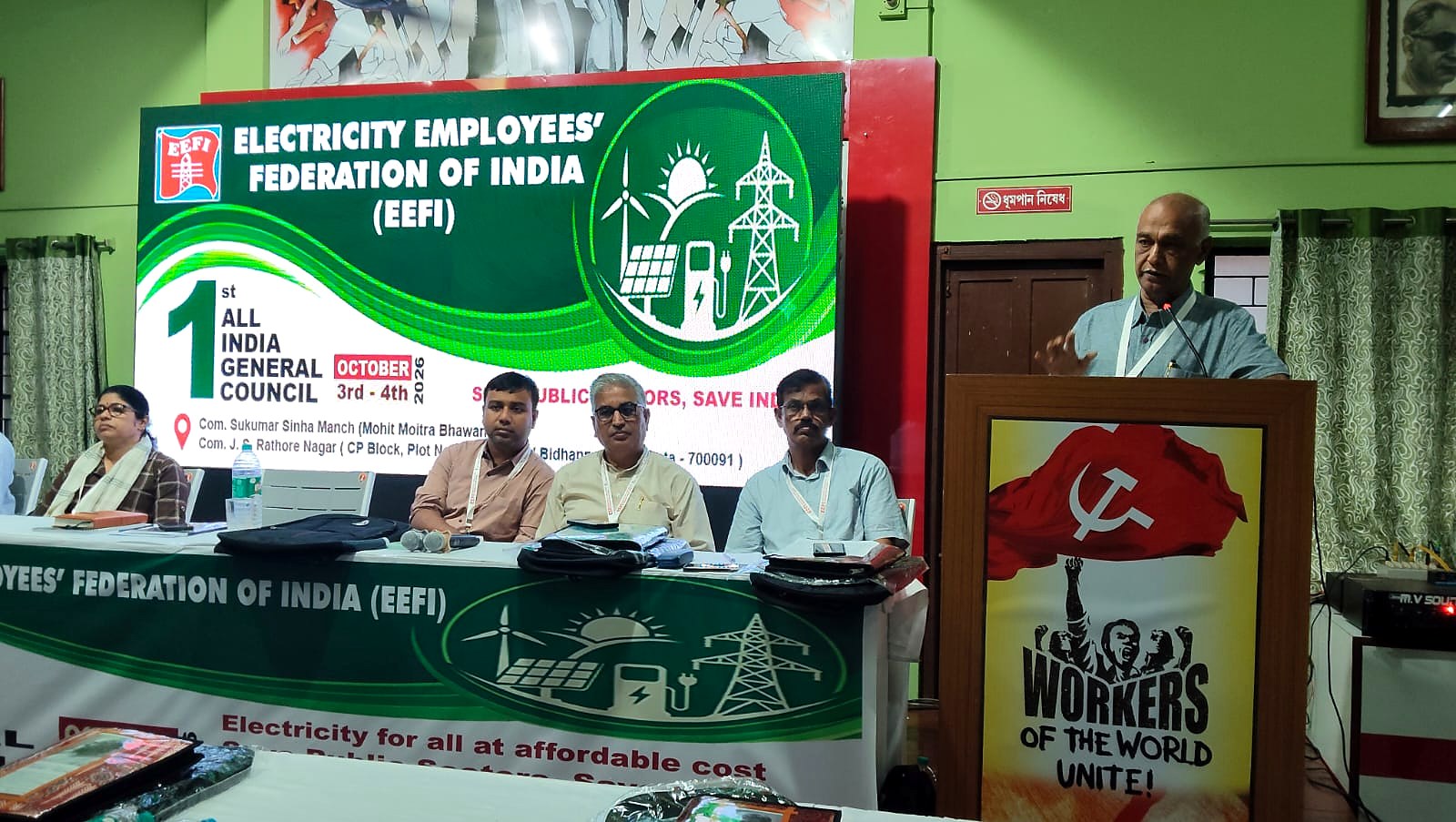
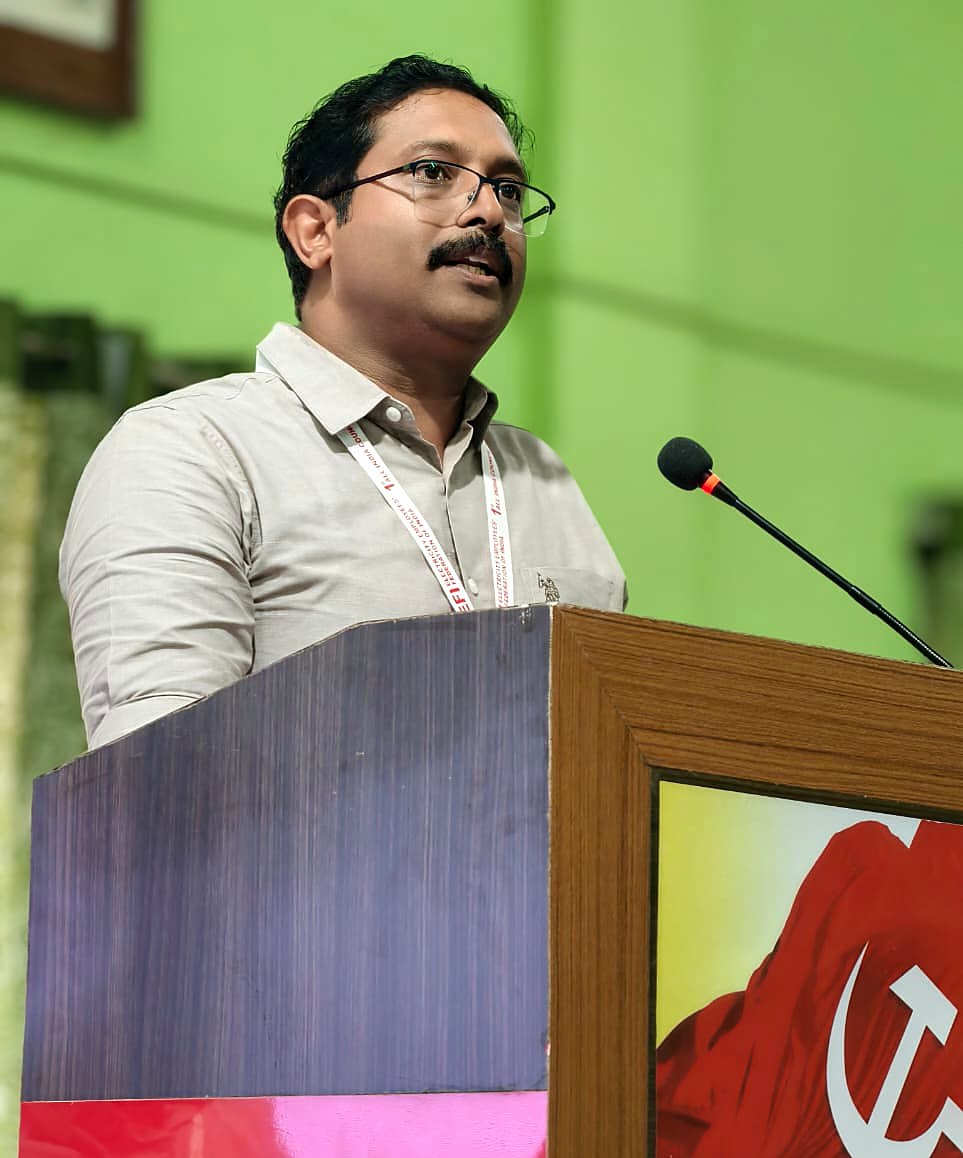
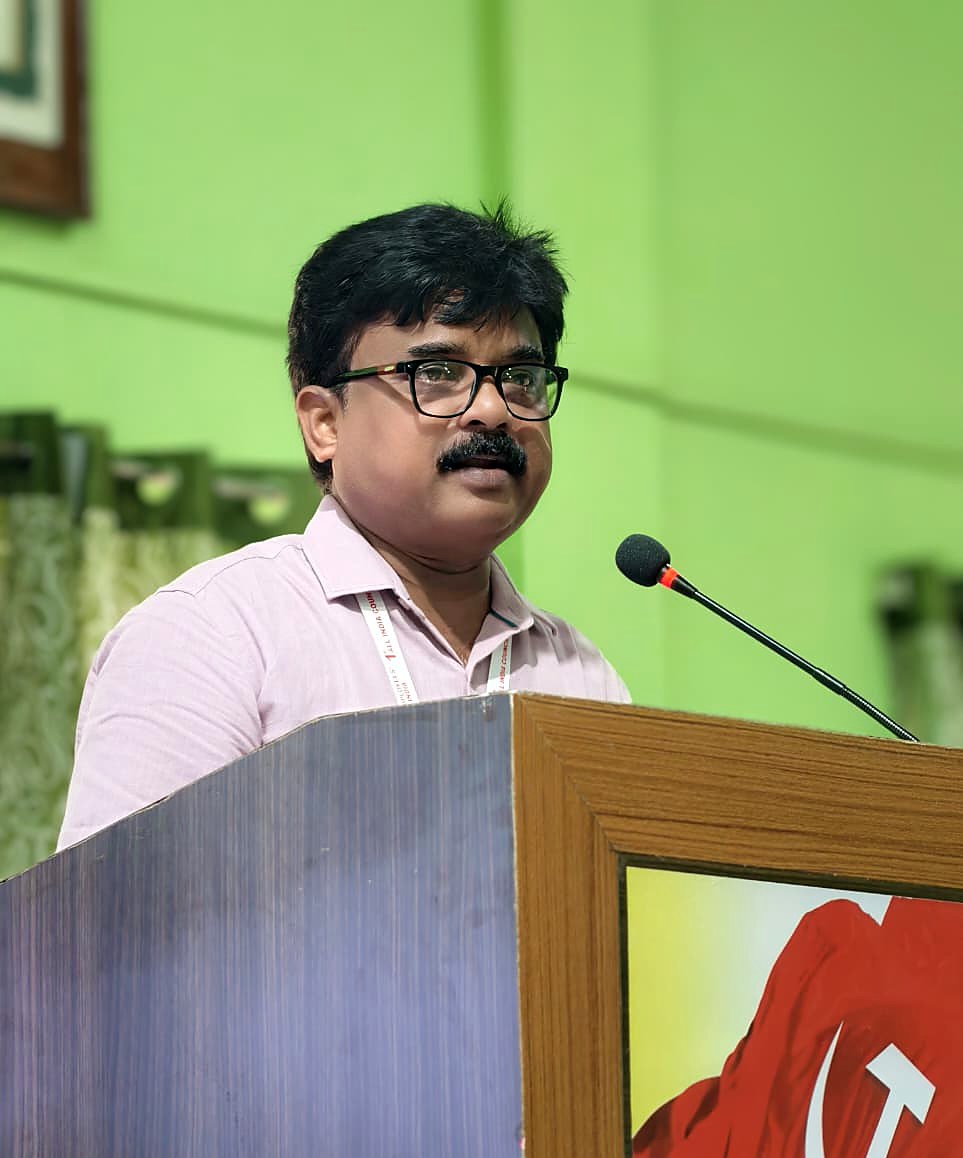
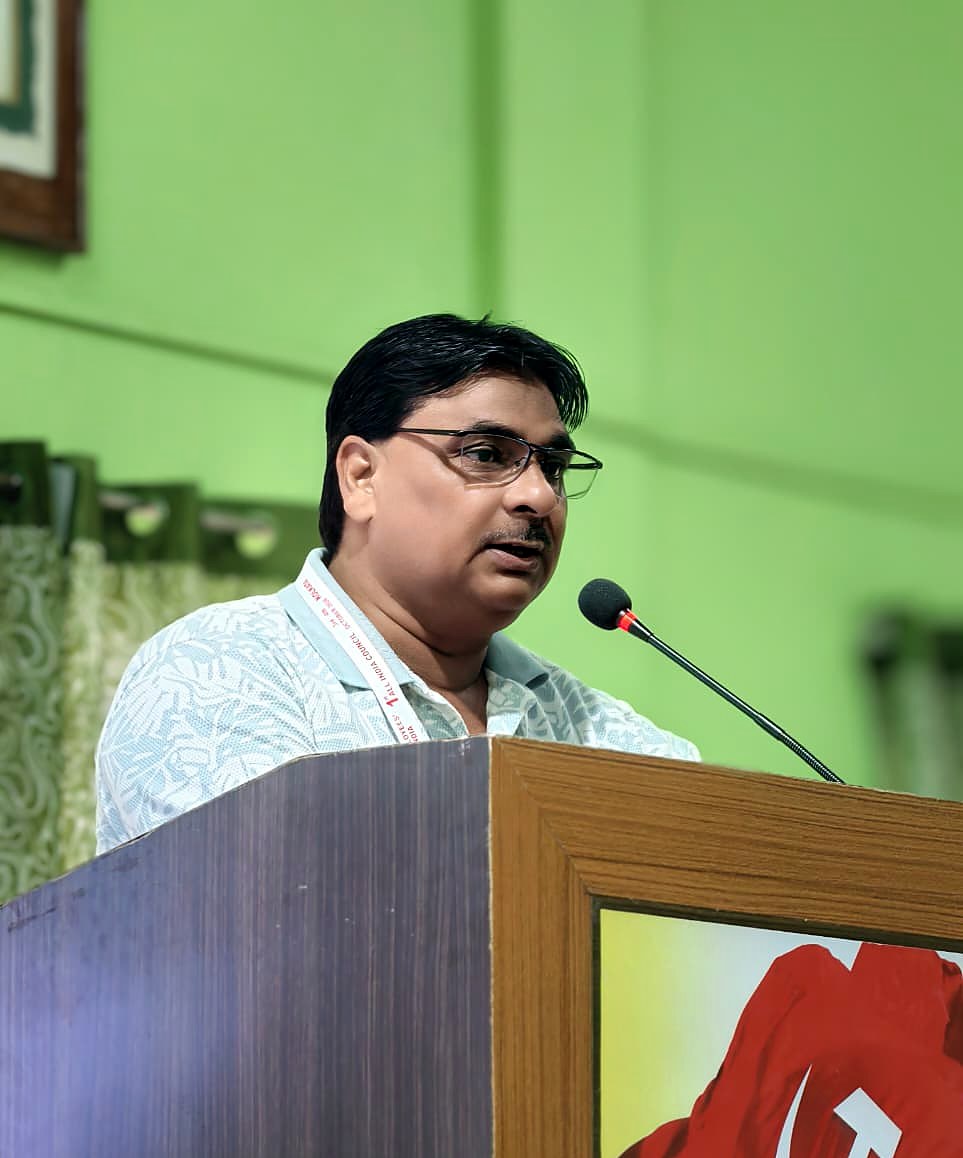
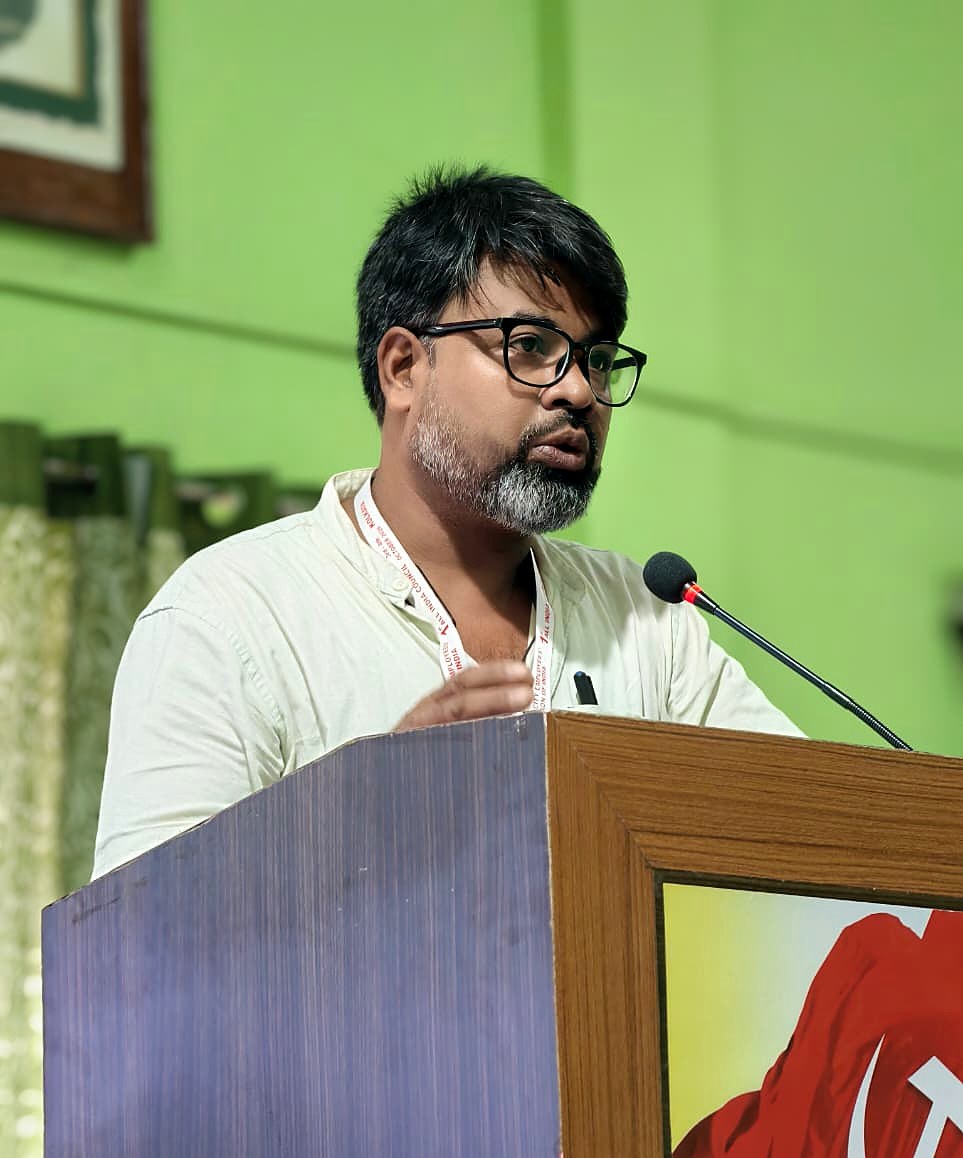
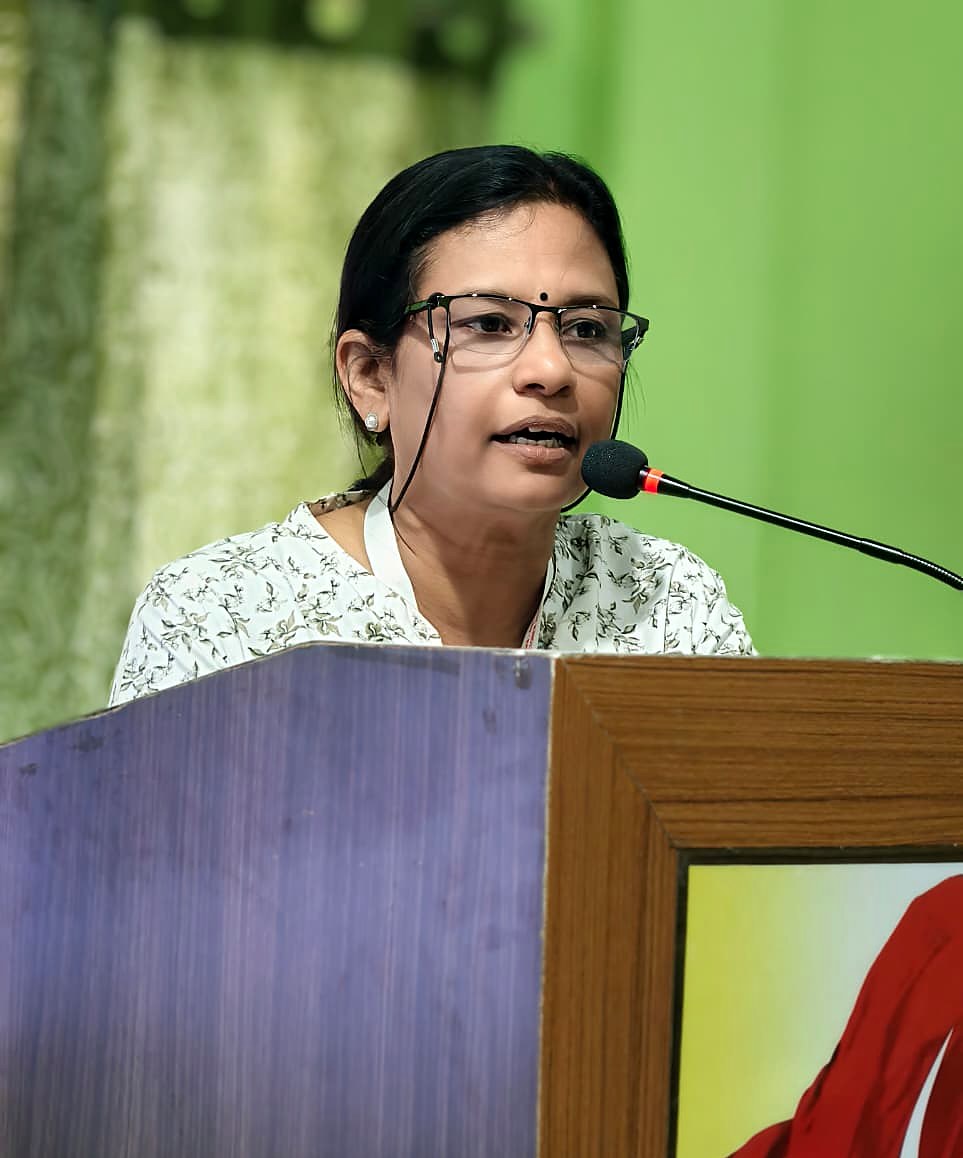
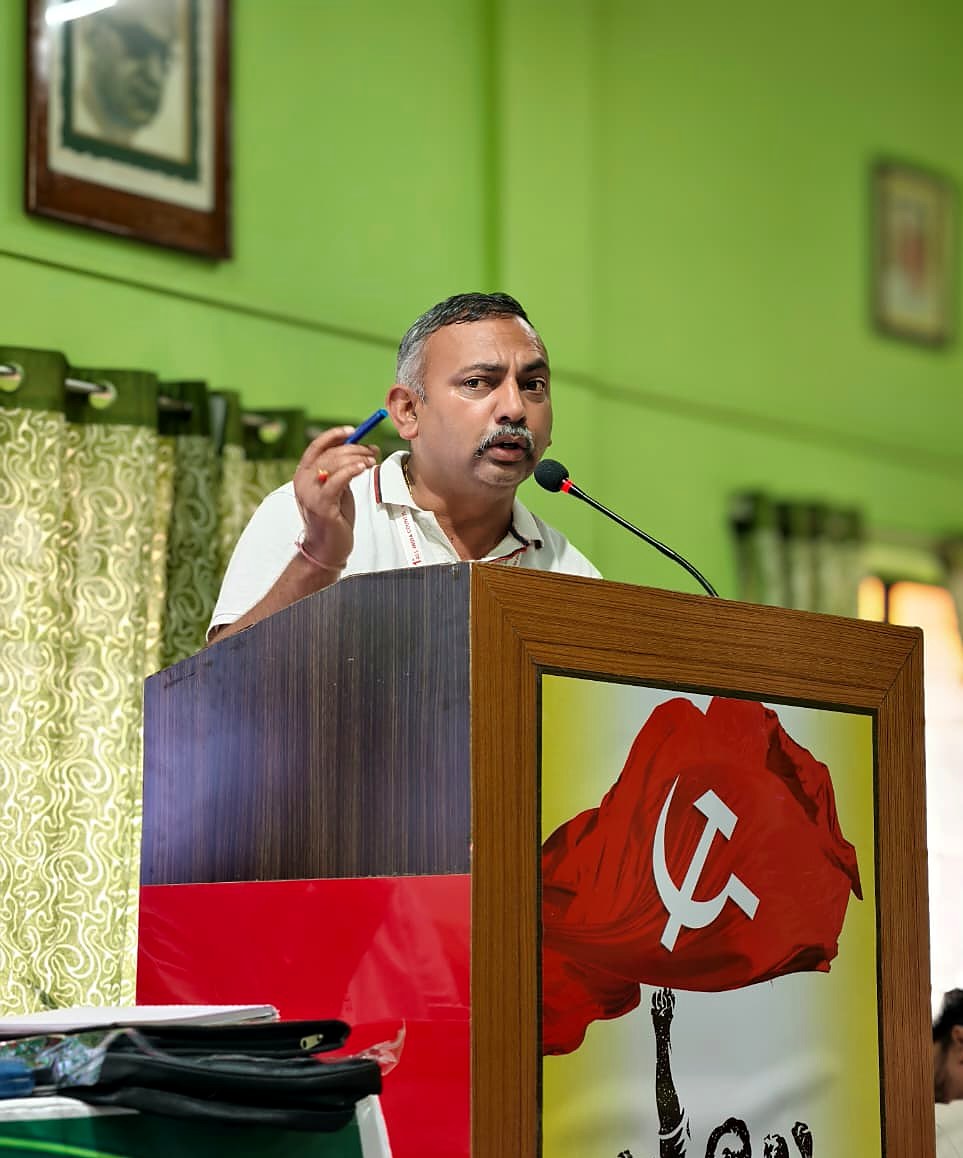
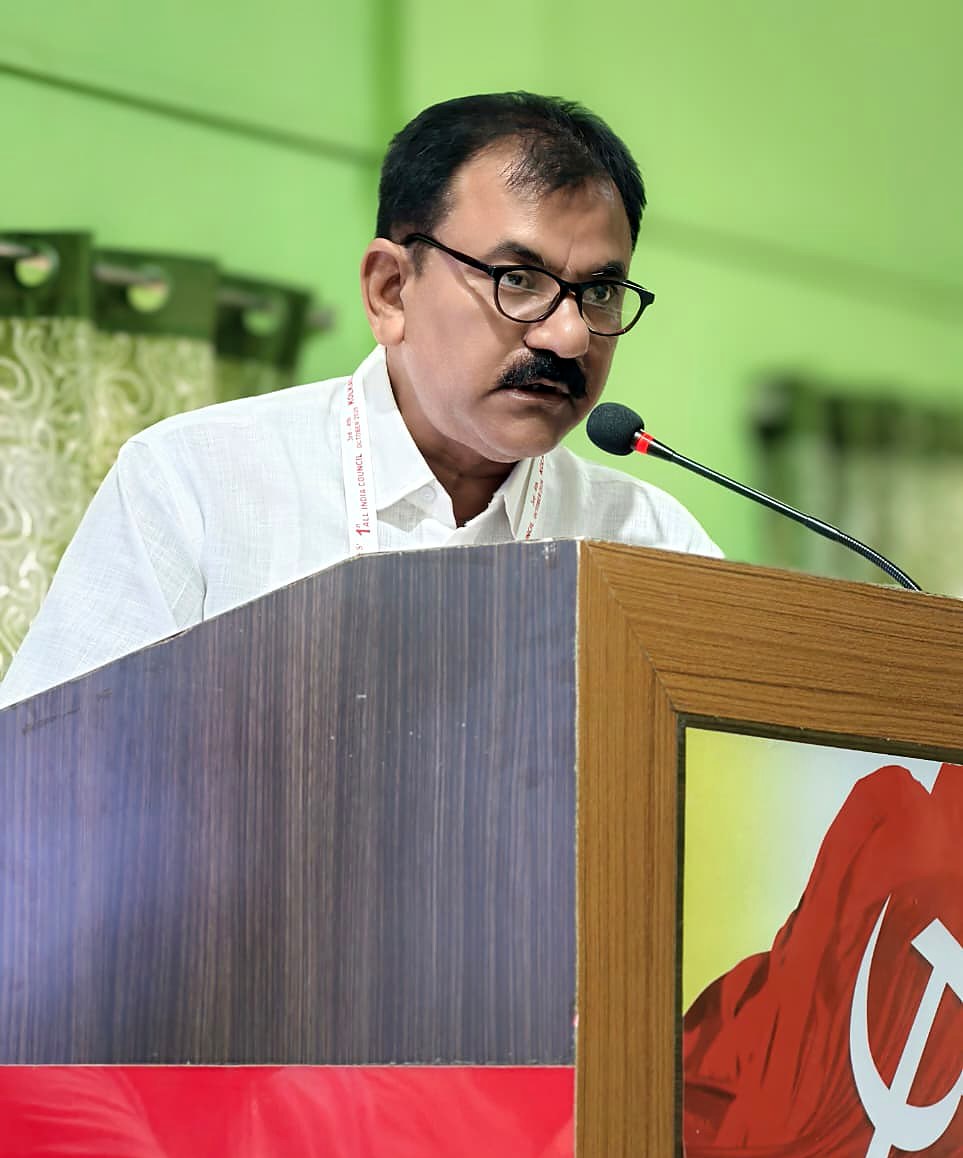
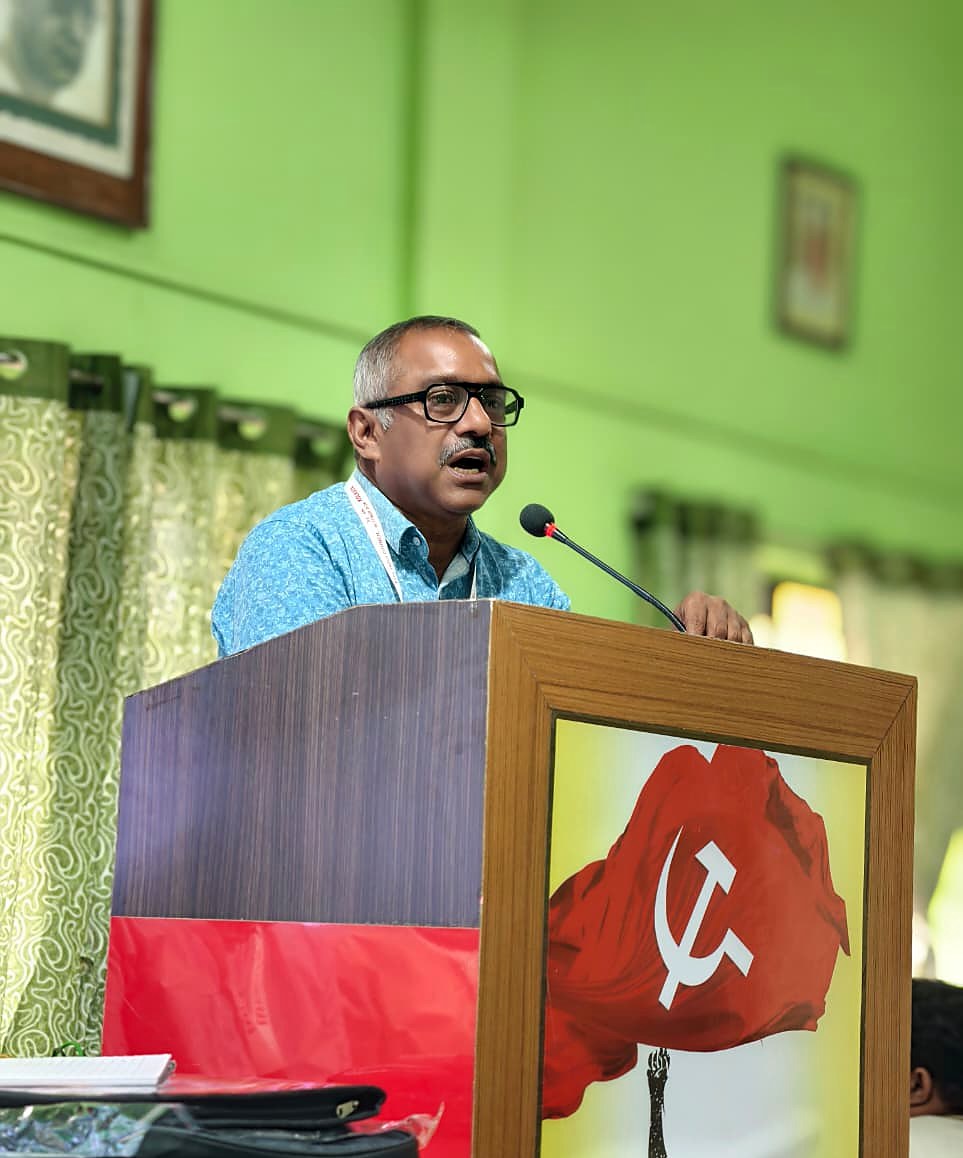
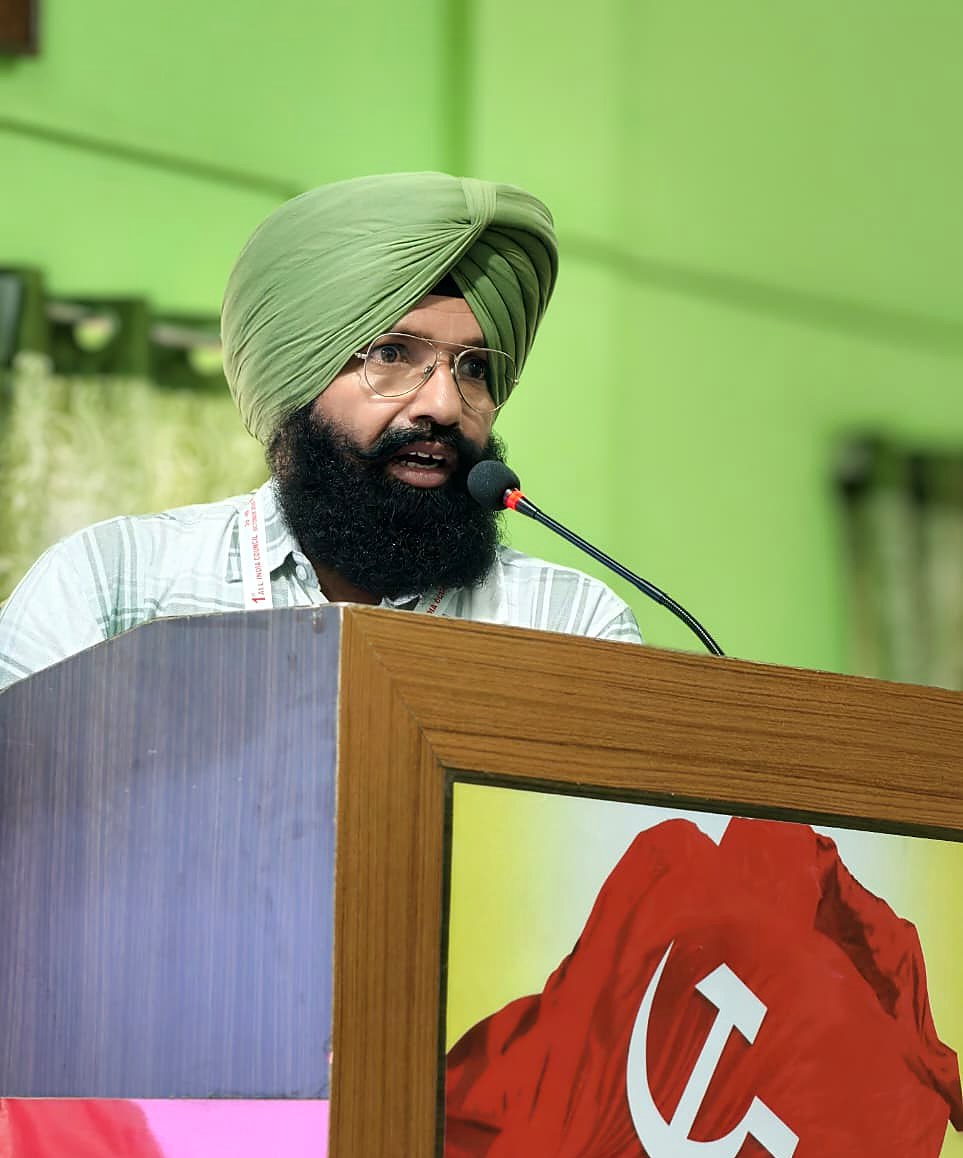
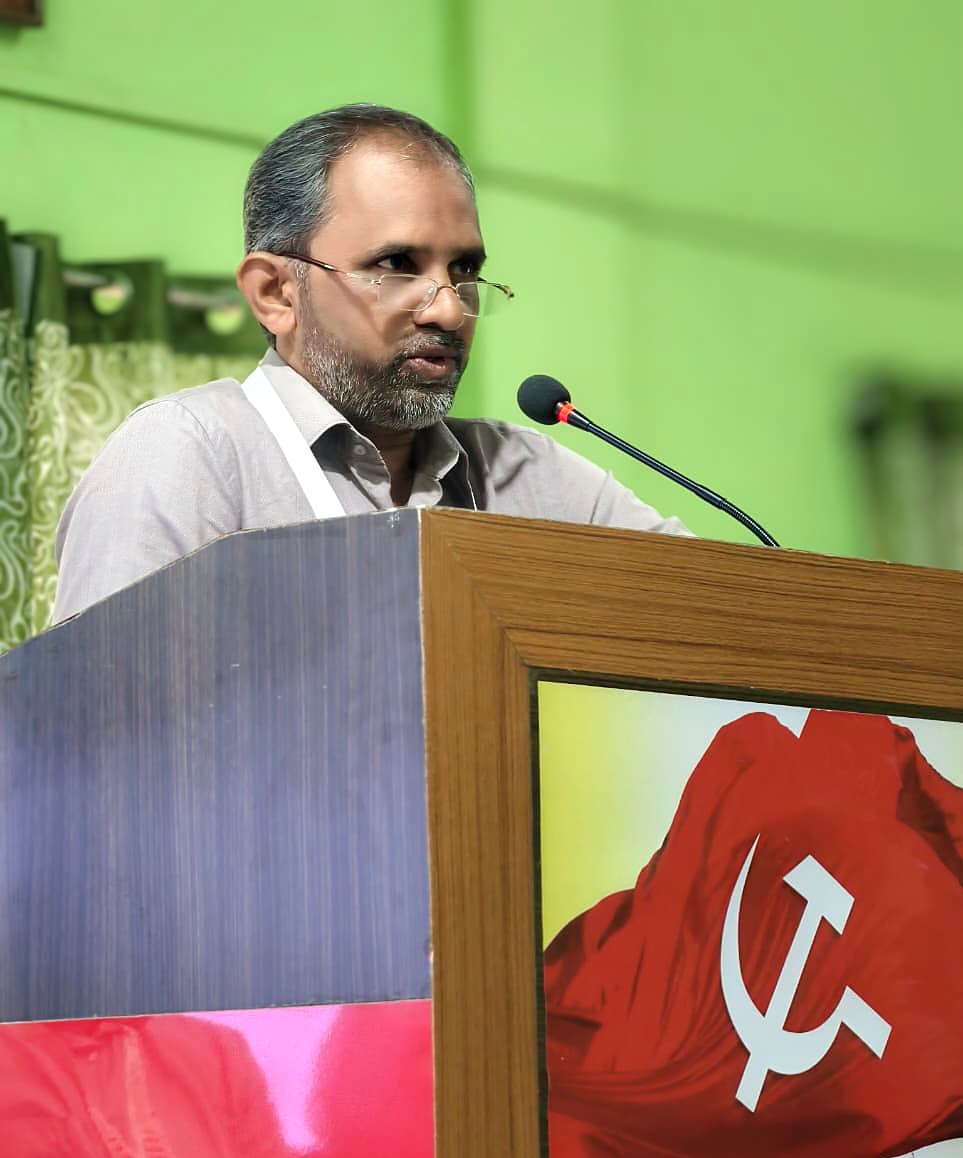
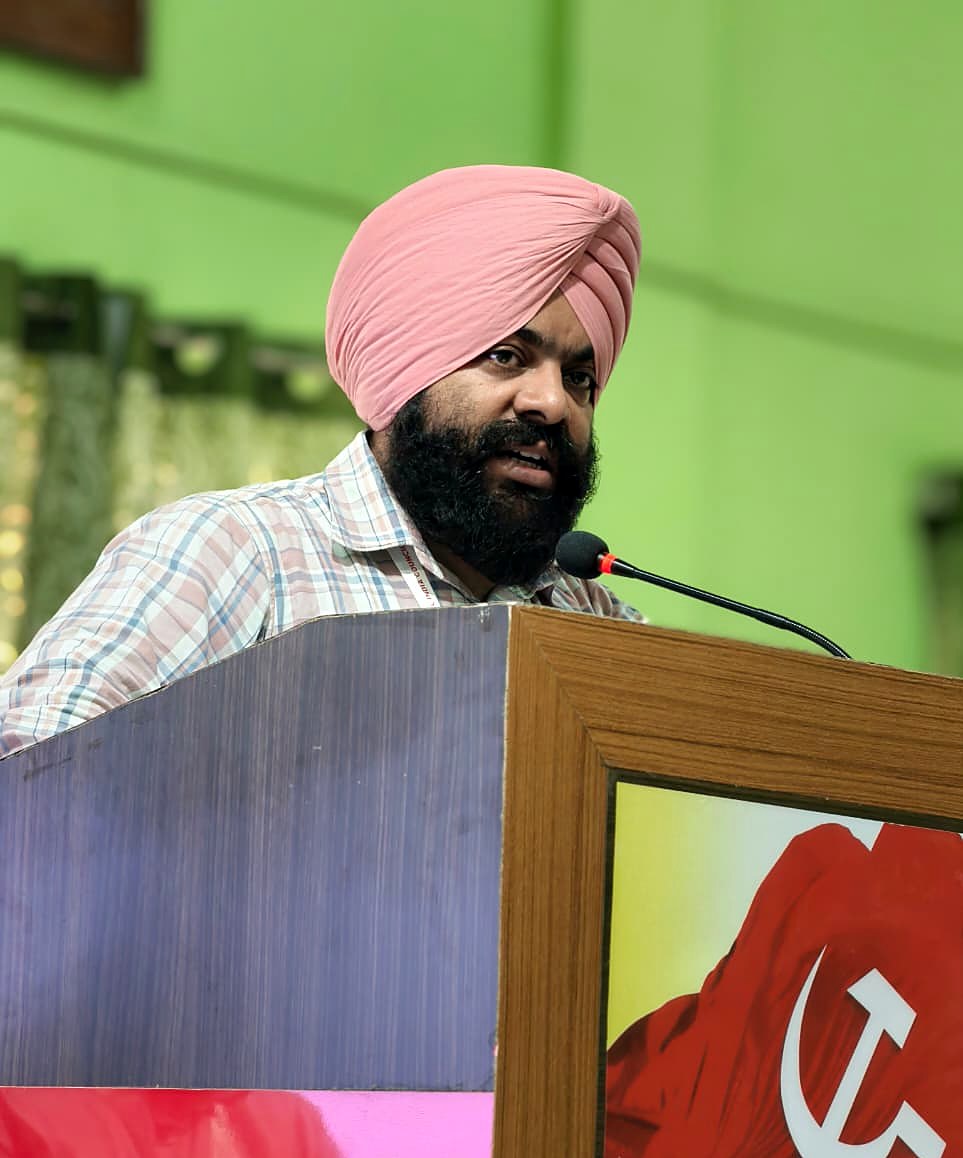
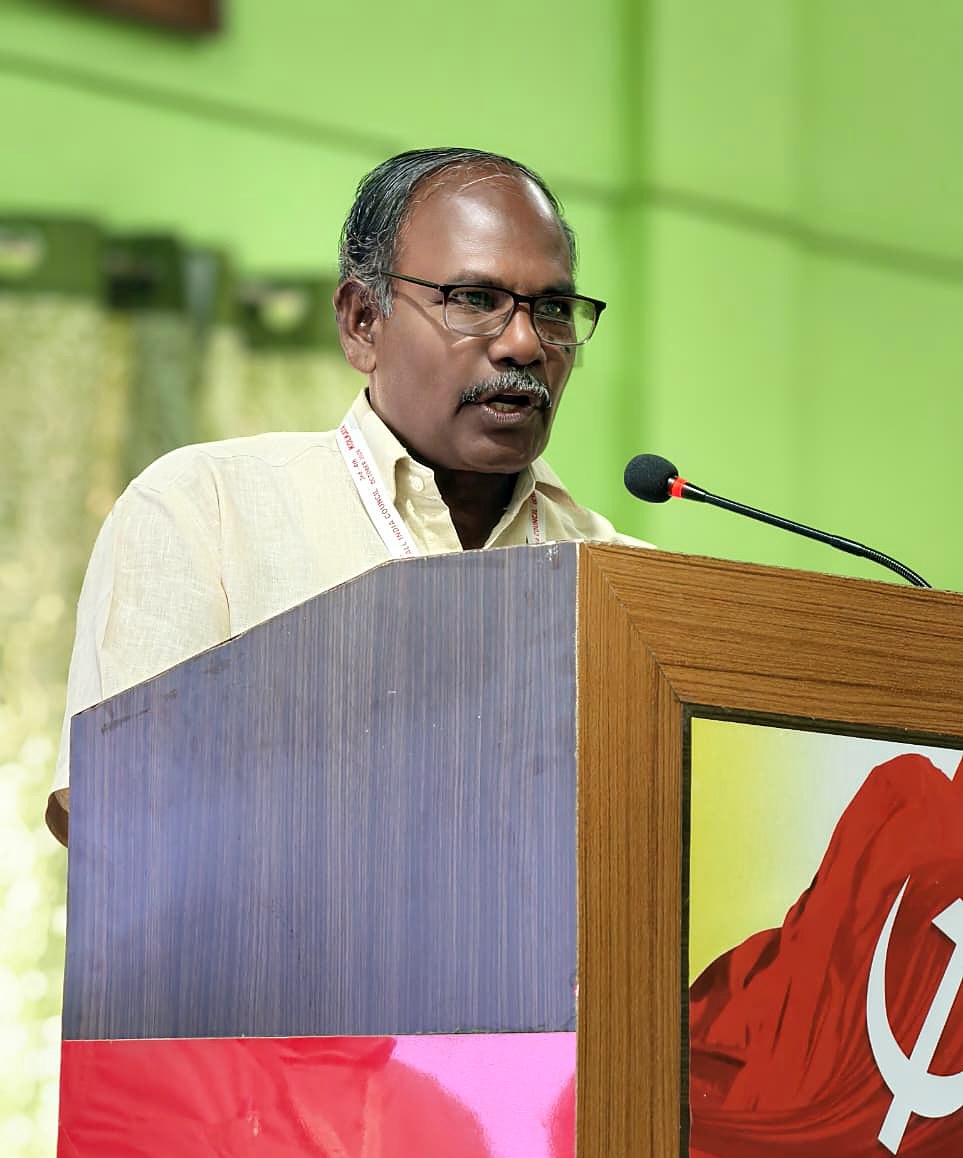
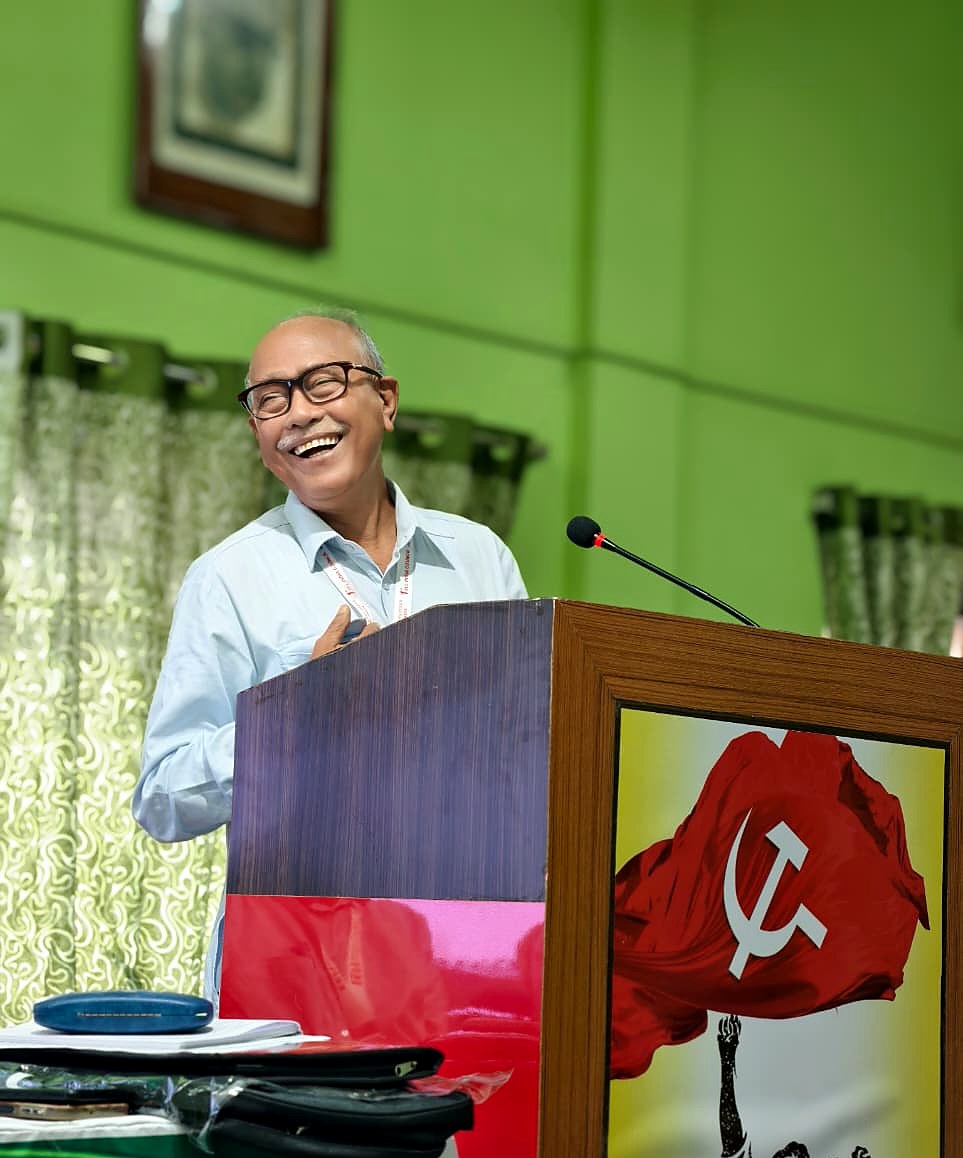
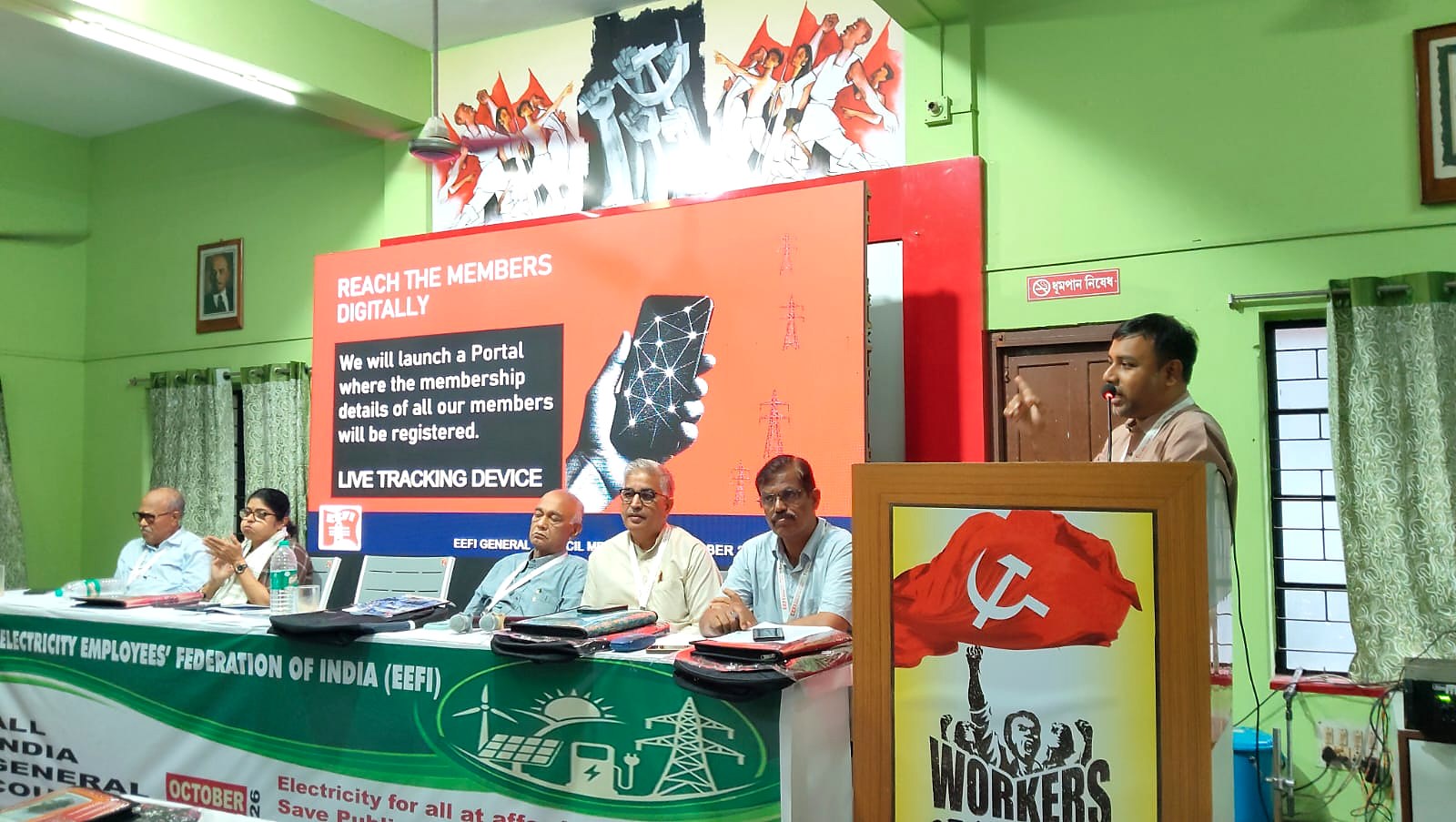
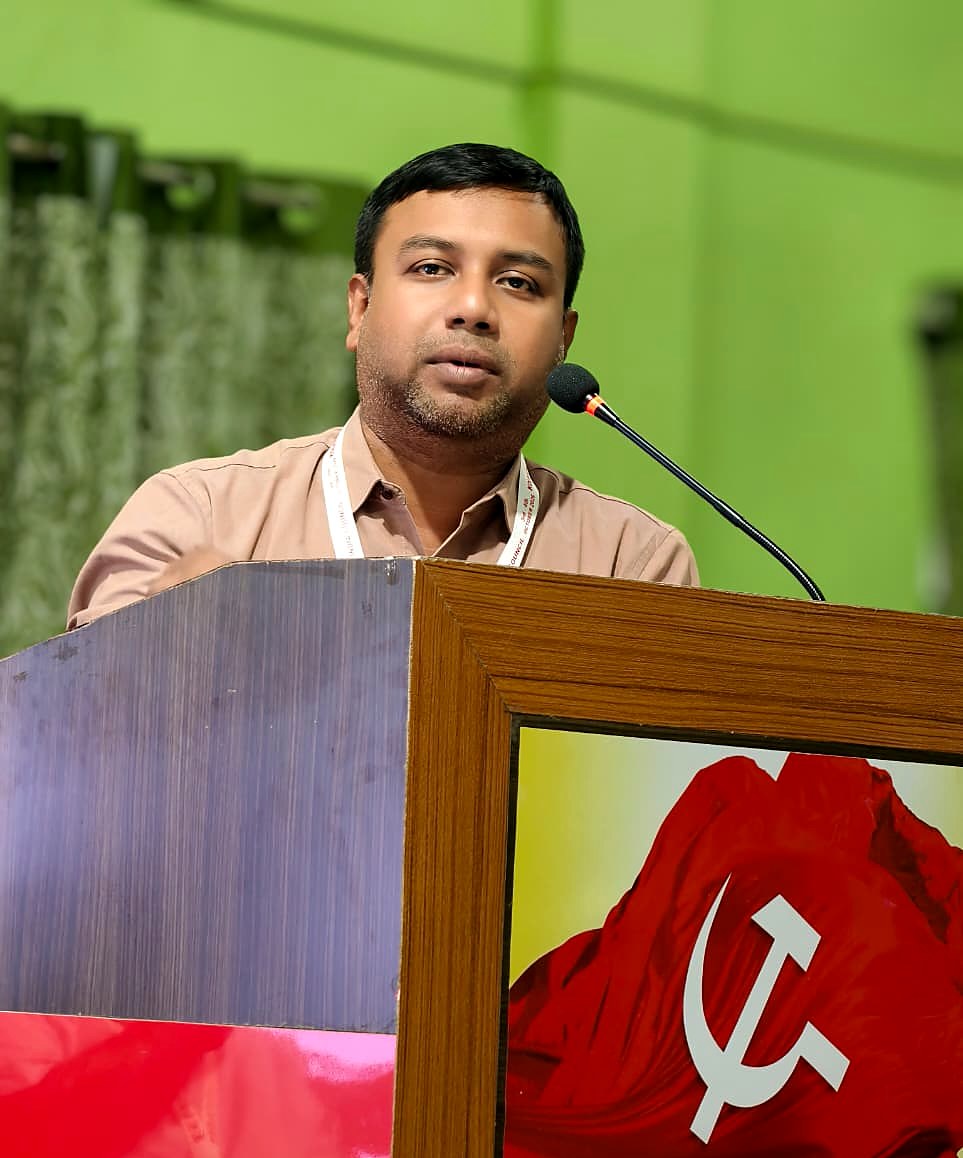
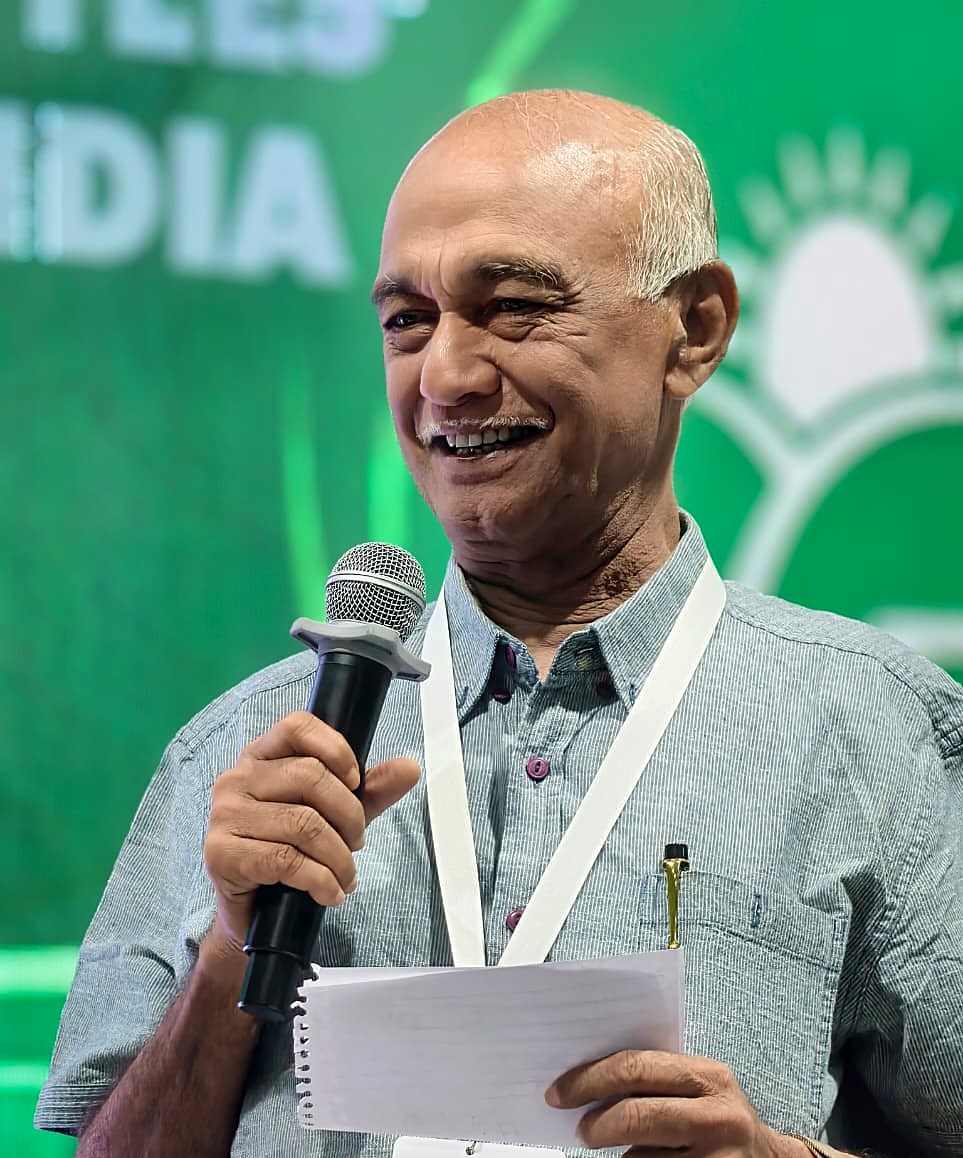
The second day of the first All India General Council opened with a detailed discussion on the industry report. Delegates set out how the disastrous electricity policy of the Central government is hitting the utilities in the states. State governments are on the same path. It is the fight of the workers that has kept these policies from being pushed through with full force.
The success of the CAPEX model of smart meters in Kerala was appreciated by everyone who spoke. The council will take that success as the example of how a model pressed by a government can be opposed. The power crisis is to be a campaign. The public can be mobilised on it, against a policy that denies electricity at an affordable price. On one side the market raises the profit of the monopolies and the cartels in this sector. On the other it places a heavy stress on the public distribution utilities. A prescription of higher tariffs, privatisation, and dependence on private investment for storage will be disastrous.
Delegates offered a high involvement in the work of EEFI, and in building the organisation at the grassroots against these policies. Consumers, including farmers, workers and others, have to be organised locally, so that the resistance comes from the ground. The twenty lakh objections filed in Karnataka were placed as the example that the public can be organised, in another way, to object to a policy imposed on them.
Working President Swadesh Dev Roye addressed the council. He appreciated the Bengal unit for the work of conducting the council. He congratulated the office-bearers and the delegates on the standard of the discussion. The organisation, he said, is now set to expand, in numbers and in content.
Dr M.G. Suresh Kumar introduced the EEFI website. He asked the unions to use it to follow developments, and to publish what is happening in their states and in their localities. The software for accounts and for membership was introduced by its developers, represented by Sourabh. It was first made for the Federation of Medical and Sales Representatives’ Associations of India.
General Secretary Sudip Dutta replied to the discussion on the organisational report and on the industry report, and placed the future tasks. It is important, he said, that every member of the Federation take up more responsibility, in a systematic way. The office-bearers will hold to the same principle. Digitisation of membership and of accounts is necessary. He emphasised democratic functioning, coordination with the Federation, the organisational tasks, political education, and the growth of membership.
The council adopted the tasks unanimously. The organisational decisions already taken are to be implemented. Routinism, tokenism and defeatism were named as the three enemies of the organisation: letting the work become a routine, doing it for show, and accepting defeat. They stagnate the organisation, the movement and the imagination. The answer is to reach the members, align them politically with the agenda, see that every call reaches them, and see that they take part in the actions. A document on the reorientation of the organisation is adopted, and the Federation and the unions are to follow it. Membership is to reach one lakh fifty thousand before the next conference. A portal is to be launched on which the membership of every member is registered, so that the Centre can reach the members directly. That is the start of a systematic modernisation of the organisational work.
On the movement, the tasks are to resist the Labour Codes wherever a state government or a management tries to impose them, and to protect the rights already won. If the Electricity (Amendment) Bill is forced through Parliament, the Federation is to be ready for united action of more than one day under NCCOEEE. Parallel licensing and the listing of public electricity utilities on the share market are to be fought as privatisation. From 1 December 2026 the electricity workers join the Parliament march called by CITU, of more than one lakh workers. If the march is resisted, the streets of Delhi are to be occupied for at least the next three days. The electricity workers’ mobilisation already adopted is more than 8,500.
President Elamaram Kareem made the closing remarks. He congratulated the delegates for what they had contributed in the discussion. Each union, he said, has to plan its activity scientifically, and has to be prepared at all times for an attack on the industry or on the union. The answer is the strength and the militancy of a union organised in a systematic and disciplined way. Every union is to prepare from the grassroots so that the struggle in Delhi on 1, 2 and 3 December is a success of a historical scale. Every member is to be told the demands, and how the agitation is being built, and is to be kept in communication and engaged in the work in one way or another. The message has to reach every worker, member or not. A worker who is approached properly can be brought to support the struggle.
The preparation is to be visible. Jathas, campaigns and public meetings. Small notices, brochures, posters and boards, so that people across the country see the struggle. While the struggle is on in Delhi, there is to be a solidarity action at every office gate, as a warning to the government. If the workers agitating peacefully in Delhi are attacked — and the nature of the Central government gives reason to expect it — the response across the country has to be immediate, against that attack and against atrocities sponsored by the government.
Issued by
EEFI Centre